
Your bloodwork came back normal, every line inside the range, and you're still tired. Short version: for most markers, a normal result means you sit inside the middle 95 percent of a reference population. In primary-care studies, a blood test explained the tiredness in about 3 to 8 percent of patients. A client told me in June 2026: "I'm tired all the time. That's the story." His numbers looked fine, and he was napping every afternoon. Below: what normal means, what the panel never measured, and where to look next.
Bloodwork normal but still tired: what does "normal" even mean?
Here's what a lab means by normal. It takes a reference population, people who look apparently healthy, runs the test on them, and keeps the middle 95 percent. The bottom 2.5 percent and the top 2.5 percent become the edges of the range [1]. That's the whole definition. Nothing in it asks whether those people felt good.
Two things follow. First, 5 percent of results from healthy people fall outside the range on every marker, by construction, and get flagged as abnormal [1]. Second, the range describes where the crowd sits. It was never built to tell you where you feel your best. The same review warns that a population range is not to be confused with a threshold for action [1].
So a value inside the range means one thing: on that marker, you look like most of the reference population. It doesn't mean you're well. The interval is built on apparently healthy people and is to be distinguished from the decision limits derived from known patients [2]. Nor, in my reading, does it mean the value is where your own outcomes would be best. I asked Dugal Bain, on episode 104 of the Know Your Physio podcast, how the standard was determined and whether it was personalized. That question is the right one, and the full answer, who decided what normal is and whether it's the right target for you, gets its own article.
One exception matters, because it is on almost every panel. The lipid numbers are not that middle 95 percent. The cholesterol and triglyceride bands are clinical decision limits, thresholds chosen to flag a risk, not a reference interval drawn from a healthy population [1]. The review this article leans on says it plainly: reference intervals must not be confused with decision limits. It then names the cholesterol values printed beside them as exactly that confusion [1].
How often does a blood test actually explain being tired?
Less often than the appointment implies. A Dutch trial followed 325 patients who came to their GP with unexplained fatigue for a year. In 8 percent of those 325 patients, a blood test found a physical illness [3]. A second Dutch cohort of 571 tired patients found clear physical disease in 47 of them, 8.2 percent, over a year of follow-up. Half of the patients got no diagnosis that could explain their fatigue at all [4]. An older Australian audit of 342 patients put the figure at 3 percent [5].
A systematic review pooled 26 primary-care studies of tired patients [6]. Across those 26 studies, depression was found in 18.5 percent. Serious somatic disease was found in 4.3 percent, anemia in 2.8 percent and malignancy in 0.6 percent. Read this part twice. In studies with control groups, the rate of somatic disease was identical in people who weren't tired. The authors' own words: "the association may not be causal." That's an association, not a cause. It's why a clean panel and real exhaustion can sit side by side.
There's a second lesson in the Dutch trial, and it cuts against what you'd expect me to say. When GPs ordered a wider set of tests, the number of false positives rose. In the immediate-test group, the limited set produced 38 false positives and the fatigue-specific set produced 96 [3]. More tests on a tired person with a low chance of disease means more alarms, most of them false.
So the answer to "my panel was normal" is not simply "order everything". It's to measure what your story points at, read it against your own baseline, and read it with a physician.
What was on the panel, and what wasn't?
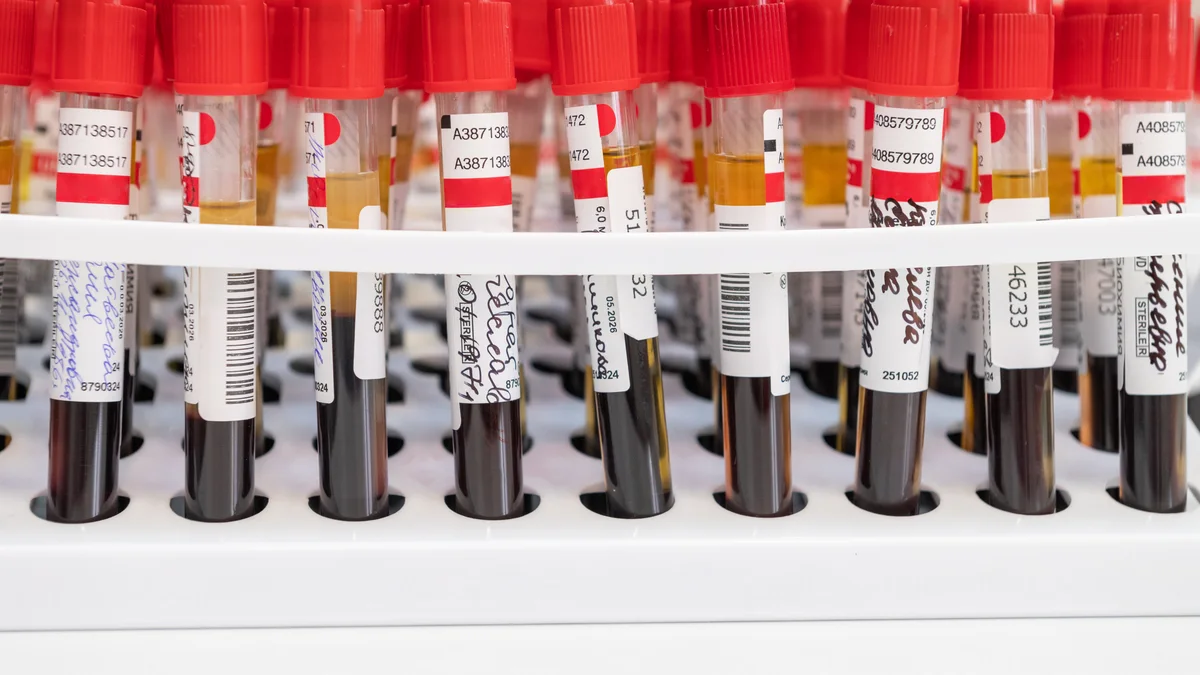
A routine checkup usually runs three panels. The comprehensive metabolic panel measures 14 substances: glucose, calcium, four electrolytes, two proteins, three liver enzymes, bilirubin, and two kidney markers [7]. The complete blood count counts your red cells, white cells and platelets, with hemoglobin, hematocrit and the average red cell size [8]. The lipid panel gives total cholesterol, LDL, HDL and triglycerides [9]. That is what "everything came back normal" usually refers to.
Now read what isn't on any of those three lists. Ferritin, the iron store. Vitamin D. Vitamin B12. High-sensitivity CRP, an inflammation marker. Fasting insulin. HbA1c, the three-month blood sugar average. TSH and the thyroid hormones. Testosterone. Cortisol. I checked each of the three panel descriptions against those nine markers, and none of them is in the standard set [7]. Many physicians add TSH or vitamin D, and a good one adds what your story calls for. But if nobody asked, the panel didn't measure them.
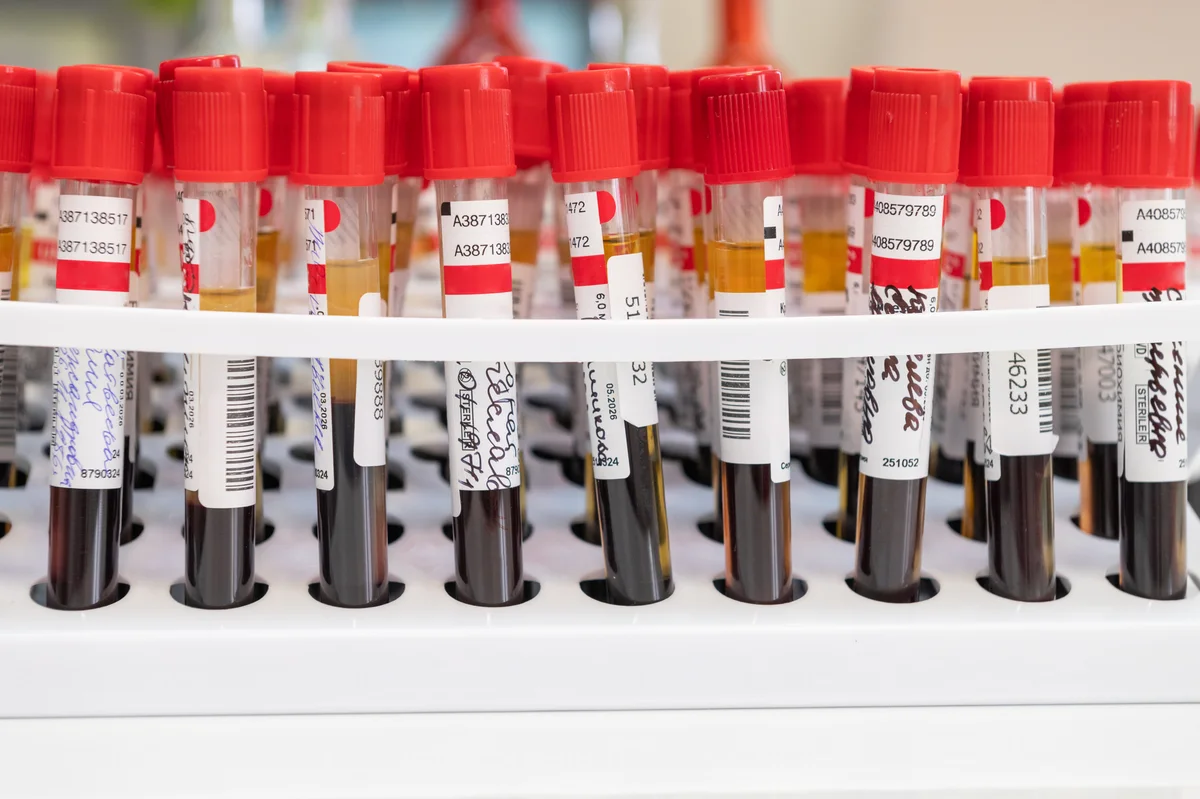
On a call in May 2026, a prospect asked me whether the panel from his yearly checkup covers this. The way I put it to him: it's built to catch what's far enough gone to need medication, against mass population data, not against you. What that appointment does and doesn't look at gets its own article.
What we do differently isn't a longer list. It's reading the numbers your story calls for against your own baseline, over time, with Dr. Joel, and then changing the week that produced them. The panel is where the coaching starts, not what you're buying.
Could iron or vitamin D be low enough to feel but not low enough to flag?
Yes, and this is the clearest example in the literature. A French trial, sponsored and funded by Pierre Fabre Médicament, a maker of iron supplements, took 198 menstruating women who complained of fatigue. Their hemoglobin was above 12.0 g/dL, inside the normal range, and their ferritin was under 50 ug/L [10]. They were randomized to iron or placebo for 12 weeks. In those 198 women, the fatigue score fell 47.7 percent on iron and 28.8 percent on placebo, a difference of 18.9 percentage points.
Notice the placebo group improved too, by 28.8 percent. The difference is what iron added. The authors' conclusion: iron "should be considered for women with unexplained fatigue who have ferritin levels below 50 μg/L".
Every one of those women had a normal hemoglobin. A complete blood count would have called them fine. Ferritin is not on the CBC [8].
A systematic review of 18 randomized trials in iron-deficient adults without anemia, 1,170 people, found the same direction, with a modest effect. Iron was associated with reduced self-reported fatigue, a standardized difference of 0.38 across four trials and 714 participants [11]. It was not associated with any improvement in measured physical capacity, including VO2 max, across nine trials. So iron helped how tired people felt, and not how hard they could work. That's an honest, modest result, not a fix.
Vitamin D has one smaller trial pointing the same way. A Swiss trial gave 120 otherwise healthy people with fatigue and a low vitamin D level a single dose or placebo, and asked them four weeks later [12]. In that trial, improvement in fatigue was reported by 72 percent of the vitamin D group and 50 percent of the placebo group.
The sample was young, the trial short, and their level was low enough that most labs would have flagged it. It's in here for one reason: vitamin D isn't on the three standard panels either [7].
Two rules of mine before you act on any of this. Nobody starts iron on a guess, because too much iron is its own problem, and the number that decides it is ferritin, not how you feel. And it's completely bio-individual: the trial thresholds are where those studies drew their lines, not where yours are.
Is my thyroid fine because my TSH is in range?
Probably. But the experts still argue about where the range should end, so here is what a tired person needs from it. The American Thyroid Association's own page says the best way to test thyroid function initially is TSH [13]. The joint guideline of the two endocrine societies calls TSH "the single best screening test for primary thyroid dysfunction" for most outpatients. Below 10 mIU/L, it says, the decision to treat "should be tailored to the individual patient" [14].
Where the upper edge of the TSH range should sit has been argued in the journals for twenty years [15]. I'll take that argument on in its own post. What matters for a tired person is a different line from the same debate. TSH is higher in the early morning, and that swing is accentuated by sleep deprivation, strenuous exercise and night work [16]. If you trained hard and slept badly the week of your draw, your TSH heard about it.
Before you pin your tiredness on a slightly high TSH, look at what happened when people treated it. A large trial, 737 adults over 65 with a TSH between 4.60 and 19.99, gave half of them thyroid hormone for a year [17]. TSH came down. Tiredness did not change: after a year, the between-group difference on the tiredness score was 0.4 points, against a minimum meaningful change of 9.
That was an older group, and I won't stretch it to a 45-year-old. But a TSH a little over the line is not a fatigue diagnosis waiting for a pill.
The causes no blood test measures: sleep, drink, training, mood
In my experience, most of it. The National Library of Medicine's own list of causes includes sleep disorders, alcohol, depression and medicines [25]. The sports-medicine consensus adds training without recovery [23]. Of those, the studies above found depression most often [6]. Sleep, alcohol and training I see week after week in the data. None of them shows up on a metabolic panel.
Sleep. The National Sleep Foundation's panel put the adult range at 7 to 9 hours, and said plainly that the need varies from person to person [18]. More than one third of US adults, 34.8 percent of 444,306 people surveyed in 2014, reported sleeping under 7 hours [19]. In 2022 the figure was 39 percent for adults aged 45 to 64, and 37 percent for men [20]. If that's you, the blood panel was never going to find it.
Then there's the sleep you think you're getting. A literature-based estimate, funded by ResMed, which sells sleep apnea devices, put mild to severe obstructive sleep apnea at 936 million adults aged 30 to 69 worldwide. It put moderate to severe at 425 million [21]. I'm labelling it as the device maker's estimate, because that's what it is. It still describes a condition that leaves you unrefreshed after eight hours in bed, with a panel that reads normal.
If you snore, or wake unrefreshed, the test you need is a sleep study, not another vial. I went through the airway side of this with Dr. Jay Khorsandi in what the sleep data shows.
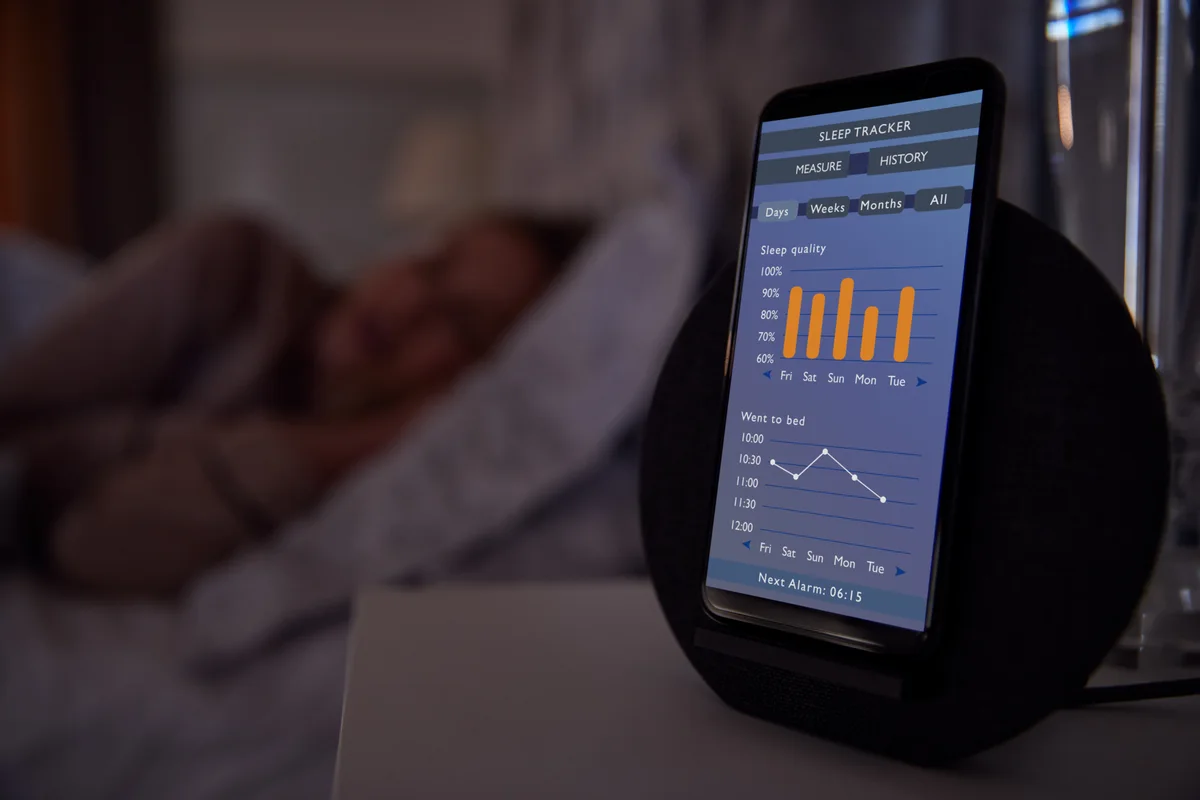
Alcohol. Lab studies of healthy volunteers show that alcohol at every dose causes faster sleep onset and a more solid first half of the night. Then it brings more disruption in the second half, and REM sleep is reduced at moderate and high doses [22]. That is the sleep you got after two glasses of wine: solid until 3 am, then broken.
A client told me in September 2026 that he lies awake, gets frustrated at the wasted time, and carries an afternoon fog into the next day. In the same breath he mentioned the evening beers. He hadn't connected them. I did.
Training without recovery. If you train, this is the one to take seriously. The joint consensus of the European College of Sport Science and the American College of Sports Medicine says successful training must avoid "excessive overload plus inadequate recovery". It adds that no single marker, hormonal or biochemical, is accepted for diagnosing it [23]. It also says one approach to diagnosing it is to rule out organic disease, under-eating and iron deficiency. So a normal panel cannot rule out under-recovery, because no blood marker for it is generally accepted.
What does show it is the trend: resting heart rate, HRV, and a VO2 max number that stopped moving. On a call in September 2026 I put it to a client who felt great: the data doesn't lie, and the moment HRV starts slipping, we dial back. The HRV guide on this site covers how to read that trend.
Mood. Depression was the most frequent finding in the pooled review of tired patients, at 18.5 percent [6]. In a community cohort of adults over 50, having either fatigue or depression was associated with about a two-fold risk of having both. The association held independently of their overlapping symptoms [24]. I'm a coach, not the person who diagnoses depression; a physician is. But if the tiredness came with low mood, poor concentration and broken sleep, say so at the appointment, because the panel can't.
Medicines. The National Library of Medicine's list of fatigue causes includes antihistamines, blood pressure medicines, sleeping pills, steroids and diuretics [25]. Bring the list to the appointment, and change nothing about a prescription without the person who wrote it.
Blood sugar looked fine. Was insulin measured?
Probably not. Fasting glucose is on the metabolic panel; fasting insulin is not [7]. The Whitehall II cohort followed 6,538 British civil servants for a median of 9.7 years. The 505 who went on to develop type 2 diabetes showed a steep fall in insulin sensitivity over the 5 years before diagnosis [26]. Their fasting glucose only turned sharply upward 3 years before. In that cohort, insulin sensitivity moved first and glucose followed, which is a reason to want the insulin number and not only the glucose.
That study did not measure fatigue, so I won't claim it did. What I can tell you is what I see in practice: the afternoon crash, the coffee at three, the sugar that "looked fine". Will S.'s words after we worked on it, from his case study: "Stable blood sugar throughout the day is probably the biggest thing. Gone were the energy crashes and fluctuations." That's one man's experience, and the full story of fasting insulin as an early warning is the next post in this series.
Bloodwork normal but still tired: the steps for this week
- Get the report, not the letter. Read every value against its range and note which ones sit near an edge. A value inside the range is a population statement, not a verdict [1].
- Ask what was measured. If it was a metabolic panel, a blood count and lipids, then ferritin, vitamin D, B12, hs-CRP, fasting insulin, HbA1c and the thyroid hormones weren't on it [7]. Ask your physician which of them your story calls for.
- If you menstruate and you're tired, ask about ferritin, not only hemoglobin [10]. Don't start iron on a guess.
- Measure your sleep before you blame your blood. Seven to nine hours is the adult range [18]. If you snore or wake unrefreshed, ask about a sleep study.
- Count the drinks and the hard sessions in the week you felt worst. Alcohol breaks the second half of the night [22]; training without recovery has no accepted blood marker [23].
- Read the mood line honestly. Depression was the most frequent finding in tired patients [6]. A coach doesn't diagnose it; a physician does.
- Bring the medicine list. Five common classes are on the fatigue list [25]. Change nothing without the prescriber.
- Remember it's bio-individual. Every threshold above is where a study drew its line, not where yours is.
This is not medical advice. I'm Andrés Preschel, a physiologist and the founder of Know Your Physio, not a doctor; the physician in your life is the one who diagnoses. When a client's story calls for more than the standard panel, our Medical Director, Dr. Joel Wussow, reads it with me.
Quick answers
Why am I tired all the time when my blood test is normal?
Because a normal result means you look like the middle 95 percent of a reference population on that marker, not that you're well [1]. In three primary-care studies, blood tests explained the tiredness in 8 percent, 8.2 percent and 3 percent of patients [3] [4] [5]. Sleep disorders, alcohol, depression and medicines are on the National Library of Medicine's list of causes [25]; training without recovery is the sports-medicine consensus's [23]. None of them is on a metabolic panel.
What tests are not on a standard blood panel?
Ferritin, vitamin D, B12, hs-CRP, fasting insulin, HbA1c, the thyroid hormones, testosterone and cortisol. None of them is part of the comprehensive metabolic panel, the complete blood count or the lipid panel [7]. A physician adds them when your story calls for them.
Can low ferritin make you tired if your hemoglobin is normal?
One randomized trial, funded by an iron supplement maker, took 198 women with normal hemoglobin and ferritin under 50. Over 12 weeks, fatigue scores fell 47.7 percent on iron and 28.8 percent on placebo [10]. Ferritin is not on a complete blood count, so ask for it by name, and don't start iron without the number.
Does a slightly high TSH explain fatigue?
Not by itself. In a large trial, 737 adults over 65 with a mildly raised TSH, a year of thyroid hormone lowered TSH and did not change tiredness [17]. TSH is higher in an early-morning draw, and that swing is accentuated by sleep loss and hard exercise [16].
My bloodwork is normal but I'm still tired. What should I ask for next?
Ask which panels were run, then which of ferritin, vitamin D, B12, hs-CRP, fasting insulin, HbA1c and TSH your history calls for. Measure your sleep for two weeks and count drinks and hard sessions before blaming your blood. If you snore or wake unrefreshed, ask about a sleep study. Bring your medicine list. A physician orders and interprets; this article is educational.
If you'd rather not spend another year with a clean panel and no answer, apply for a call with me. It's 45 minutes on where you are, what you have tried, and what a plan would look like. And if you want clarity first, before any coaching, there's an assessment where Dr. Joel reads your numbers with you. Discover your science. Optimize your life.
Supporting Evidence
- Ozarda Y. (2016). Reference intervals: current status, recent developments and future considerations. Biochemia Medica, 26(1), 5-16. Read 28 September 2026. doi:10.11613/BM.2016.001
- Sikaris, K. A. (2014). Physiology and its importance for reference intervals. Clinical Biochemist Reviews, 35(1), 3-14. PMID 24659833. Read 28 September 2026. europepmc.org/article/MED/24659833
- Koch, H., van Bokhoven, M. A., ter Riet, G., et al. (2009). Ordering blood tests for patients with unexplained fatigue in general practice: what does it yield? Results of the VAMPIRE trial. British Journal of General Practice, 59(561), e93-e100. Read 28 September 2026. doi:10.3399/bjgp09X420310
- Nijrolder, I., van der Windt, D., de Vries, H., & van der Horst, H. (2009). Diagnoses during follow-up of patients presenting with fatigue in primary care. CMAJ, 181(10), 683-687. Read 28 September 2026. doi:10.1503/cmaj.090647
- Gialamas, A., Beilby, J. J., Pratt, N. L., et al. (2003). Investigating tiredness in Australian general practice. Do pathology tests help in diagnosis? Australian Family Physician, 32(8), 663-666. PMID 12973880. Read 28 September 2026. europepmc.org/article/MED/12973880
- Stadje, R., Dornieden, K., Baum, E., et al. (2016). The differential diagnosis of tiredness: a systematic review. BMC Family Practice, 17(1), 147. Read 28 September 2026. doi:10.1186/s12875-016-0545-5
- MedlinePlus, National Library of Medicine. Comprehensive metabolic panel (CMP). Updated 4 December 2023. Read 28 September 2026. medlineplus.gov/lab-tests/comprehensive-metabolic-panel-cmp/
- MedlinePlus, National Library of Medicine. Complete blood count (CBC). Updated 15 October 2024. Read 28 September 2026. medlineplus.gov/lab-tests/complete-blood-count-cbc/
- MedlinePlus, National Library of Medicine. Cholesterol levels. Reviewed 15 October 2024. Read 28 September 2026. medlineplus.gov/lab-tests/cholesterol-levels/
- Vaucher, P., Druais, P. L., Waldvogel, S., & Favrat, B. (2012). Effect of iron supplementation on fatigue in nonanemic menstruating women with low ferritin: a randomized controlled trial. CMAJ, 184(11), 1247-1254. Funded by Pierre Fabre Médicament. Read 28 September 2026. doi:10.1503/cmaj.110950
- Houston, B. L., Hurrie, D., Graham, J., et al. (2018). Efficacy of iron supplementation on fatigue and physical capacity in non-anaemic iron-deficient adults: a systematic review of randomised controlled trials. BMJ Open, 8(4), e019240. Read 28 September 2026. doi:10.1136/bmjopen-2017-019240
- Nowak, A., Boesch, L., Andres, E., et al. (2016). Effect of vitamin D3 on self-perceived fatigue: a double-blind randomized placebo-controlled trial. Medicine, 95(52), e5353. Read 28 September 2026. doi:10.1097/MD.0000000000005353
- American Thyroid Association. Thyroid function tests. Read 28 September 2026. www.thyroid.org/thyroid-function-tests/
- Garber, J. R., Cobin, R. H., Gharib, H., et al. (2012). Clinical practice guidelines for hypothyroidism in adults: cosponsored by the American Association of Clinical Endocrinologists and the American Thyroid Association. Thyroid, 22(12), 1200-1235. Read 28 September 2026. doi:10.1089/thy.2012.0205
- Wartofsky, L., & Dickey, R. A. (2005). The evidence for a narrower thyrotropin reference range is compelling. Journal of Clinical Endocrinology and Metabolism, 90(9), 5483-5488. Read 28 September 2026. doi:10.1210/jc.2005-0455
- Surks, M. I., Goswami, G., & Daniels, G. H. (2005). The thyrotropin reference range should remain unchanged. Journal of Clinical Endocrinology and Metabolism, 90(9), 5489-5496. Read 28 September 2026. doi:10.1210/jc.2005-0170
- Stott, D. J., Rodondi, N., Kearney, P. M., et al., TRUST Study Group. (2017). Thyroid hormone therapy for older adults with subclinical hypothyroidism. New England Journal of Medicine, 376(26), 2534-2544. Read 28 September 2026. doi:10.1056/NEJMoa1603825
- Hirshkowitz, M., Whiton, K., Albert, S. M., et al. (2015). National Sleep Foundation's sleep time duration recommendations: methodology and results summary. Sleep Health, 1(1), 40-43. Read 28 September 2026. doi:10.1016/j.sleh.2014.12.010
- Liu, Y., Wheaton, A. G., Chapman, D. P., et al. (2016). Prevalence of healthy sleep duration among adults, United States, 2014. MMWR Morbidity and Mortality Weekly Report, 65(6), 137-141. Read 28 September 2026. doi:10.15585/mmwr.mm6506a1
- Centers for Disease Control and Prevention. FastStats: adults' sleep facts and stats, 2022 data. Reviewed 15 May 2024. Read 28 September 2026. www.cdc.gov/sleep/data-research/facts-stats/adults-sleep-facts-and-stats.html
- Benjafield, A. V., Ayas, N. T., Eastwood, P. R., et al. (2019). Estimation of the global prevalence and burden of obstructive sleep apnoea: a literature-based analysis. Lancet Respiratory Medicine, 7(8), 687-698. Funded by ResMed. Read 28 September 2026. doi:10.1016/S2213-2600(19)30198-5
- Ebrahim, I. O., Shapiro, C. M., Williams, A. J., & Fenwick, P. B. (2013). Alcohol and sleep I: effects on normal sleep. Alcoholism: Clinical and Experimental Research, 37(4), 539-549. Read 28 September 2026. doi:10.1111/acer.12006
- Meeusen, R., Duclos, M., Foster, C., et al. (2013). Prevention, diagnosis, and treatment of the overtraining syndrome: joint consensus statement of the European College of Sport Science and the American College of Sports Medicine. Medicine and Science in Sports and Exercise, 45(1), 186-205. Read 28 September 2026. doi:10.1249/MSS.0b013e318279a10a
- Corfield, E. C., Martin, N. G., & Nyholt, D. R. (2016). Co-occurrence and symptomatology of fatigue and depression. Comprehensive Psychiatry, 71, 1-10. Read 28 September 2026. doi:10.1016/j.comppsych.2016.08.004
- MedlinePlus Medical Encyclopedia. Fatigue. Updated 19 May 2025. Read 28 September 2026. medlineplus.gov/ency/article/003088.htm
- Tabák, A. G., Jokela, M., Akbaraly, T. N., Brunner, E. J., Kivimäki, M., & Witte, D. R. (2009). Trajectories of glycaemia, insulin sensitivity, and insulin secretion before diagnosis of type 2 diabetes: an analysis from the Whitehall II study. Lancet, 373(9682), 2215-2221. Read 28 September 2026. doi:10.1016/S0140-6736(09)60619-X